At Active Release Techniques®, effective treatment begins with understanding how the body moves. What’s often overlooked is that movement is neurological before it is mechanical.
More than 95% of movement control happens below conscious awareness. Every squat, step, and rotation is pre-coordinated by the nervous system before we even realize it. Research shows that the brain begins planning movement before conscious awareness of action.
Why Traditional Movement Screening Falls Short
When movement sequencing becomes disrupted, the nervous system adapts, creating compensation patterns that can lead to dysfunction, decreased performance, and eventually pain.
However, many of these compensations are difficult to detect visually, even for experienced clinicians. This limitation can make it challenging to pinpoint the true root cause of dysfunction.
Introducing the NeuroPlanar® Methodology
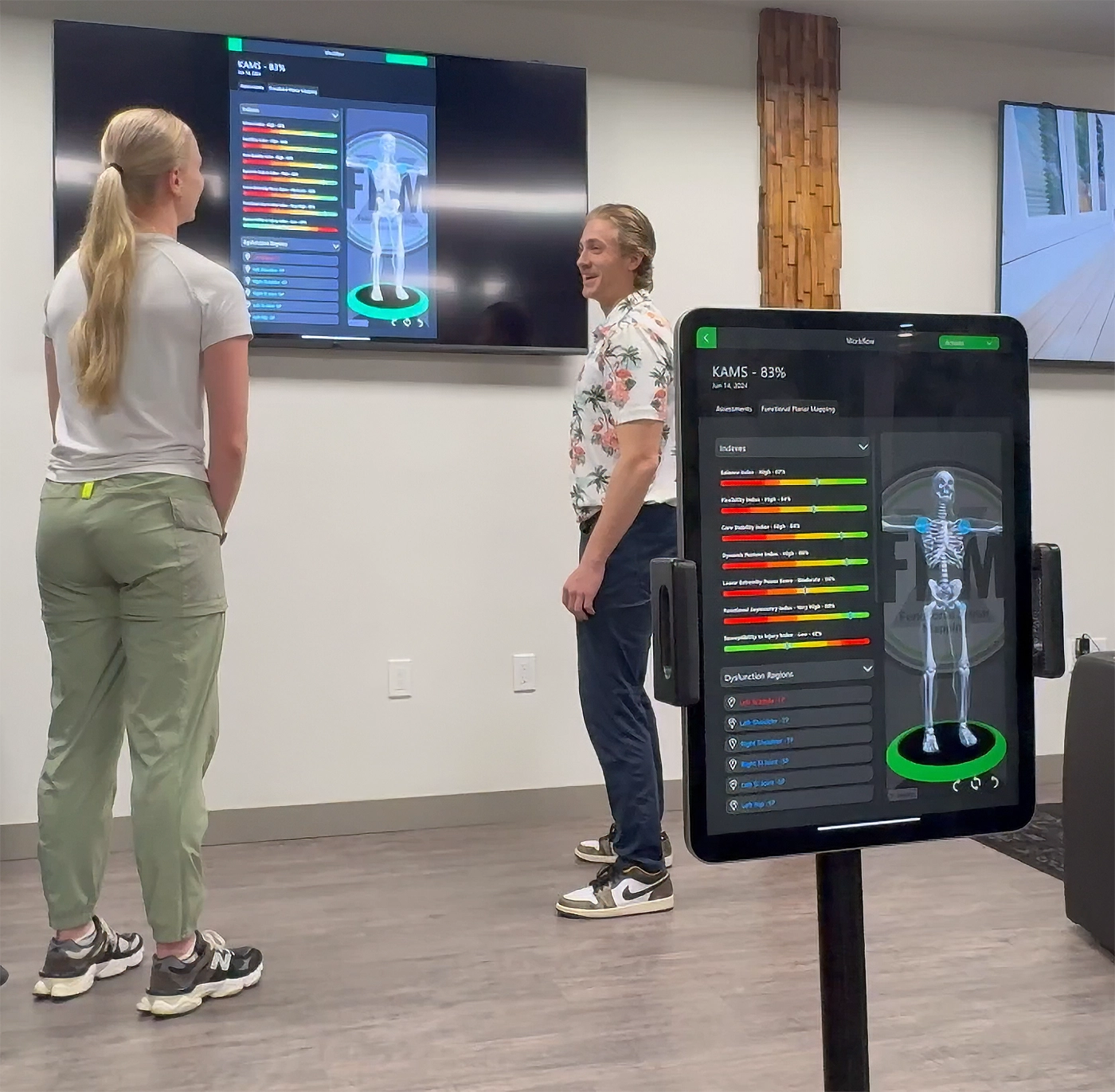
The NeuroPlanar® Methodology, powered by Kinetisense®, transforms how clinicians approach movement screening and functional assessment.
Using clinical-grade 3D motion capture technology, NeuroPlanar measures joint movement:
- Across all three planes
- In real-time functional patterns
- As part of the entire kinetic chain
Rather than evaluating joints in isolation, this approach provides a comprehensive map of how the nervous system organizes movement.
Understanding the Kinetic Chain
Dysfunction rarely exists in isolation. For example:
- Limited ankle mobility can alter knee mechanics
- Knee dysfunction can affect hip stability
- Hip compensation can disrupt pelvic and spinal alignment
In many cases, pain is not the source of the problem, it’s the result of compensation elsewhere in the body.
NeuroPlanar helps identify these breakdowns in movement sequencing, giving clinicians clearer insight into where dysfunction begins.
How NeuroPlanar Enhances ART Treatment
For Certified ART providers, integrating NeuroPlanar offers a significant advantage in both assessment and treatment precision.
Key Benefits for ART Providers
- Faster identification of movement dysfunction
- Enhanced treatment efficiency
- Data-driven clinical decision-making
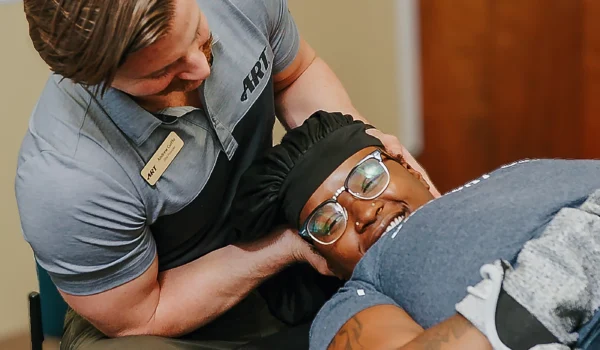
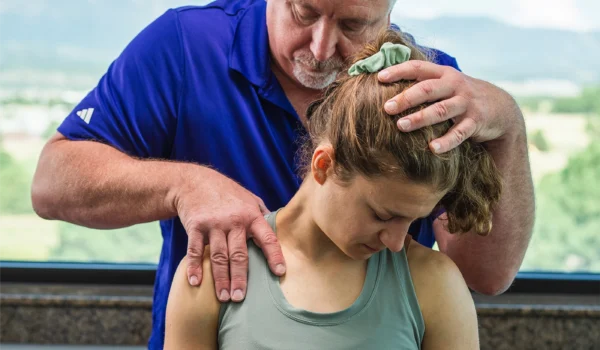
By combining objective motion analysis with hands-on ART techniques, providers can increase treatment efficiency.
From Injury Treatment to Performance Optimization
This integrated approach supports a broader model of care:
- Athletes improve efficiency and performance
- Active individuals reduce injury risk and increase resilience
- Patients address dysfunction before it becomes limiting
Together, NeuroPlanar and ART enable clinicians to shift from reactive care to proactive, performance-driven treatment.
The Future of Movement Health
The future of movement health is rooted in understanding not just where pain occurs, but how movement is being organized neurologically.
By pairing advanced movement screening technology with proven soft-tissue treatment, ART providers can deliver faster, more precise, and longer-lasting results.